


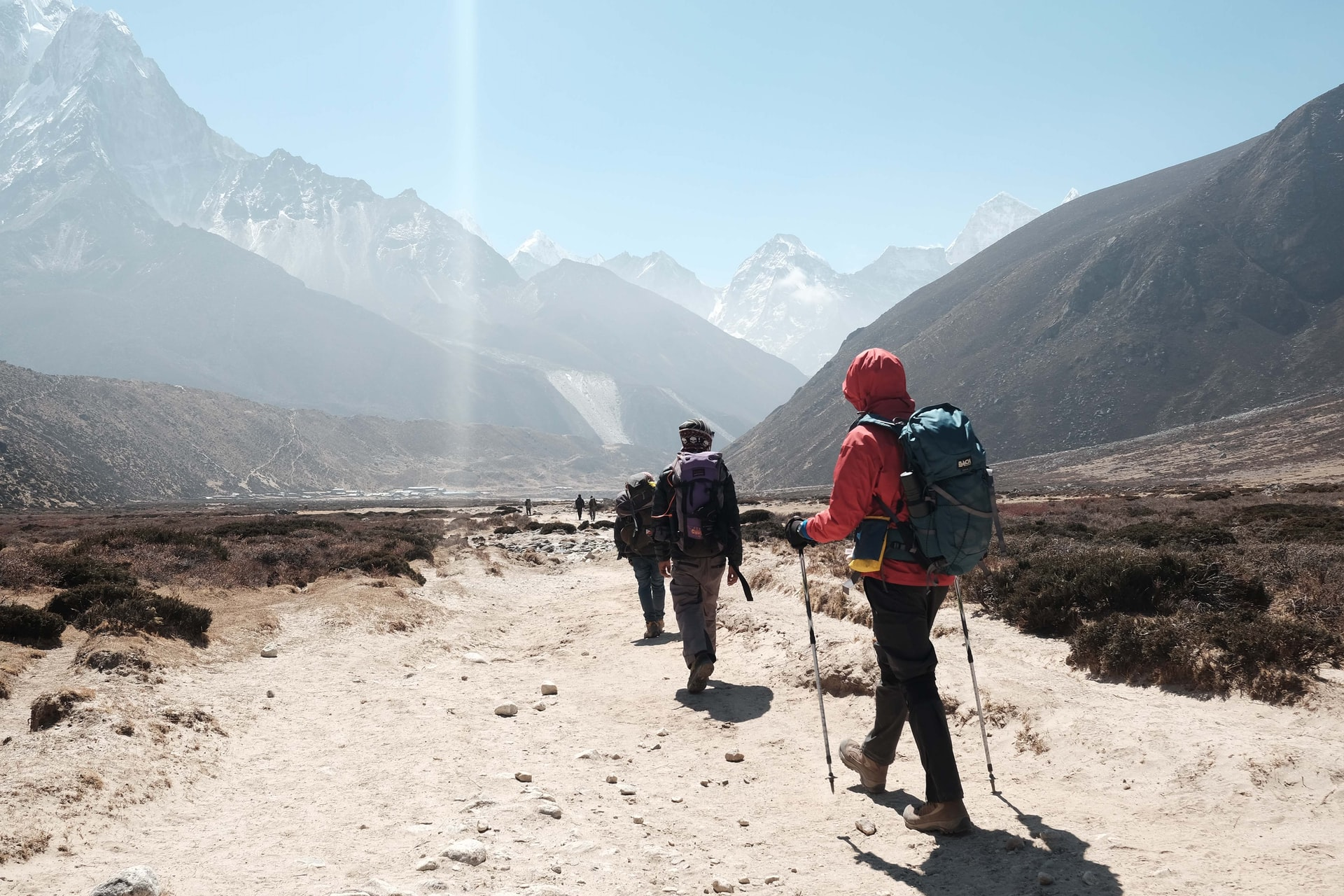


































Choosing the right backpack is essential for a successful hike or trip. Whether you're hiking in the mountains or trekking for several days, it's important to have a backpack that suits your needs. In this article, you'll find a comprehensive guide to help you choose the best backpack for your outdoor adventures.
Summary
How to choose your hiking/travel backpack? Which hiking backpack should you choose? How to choose the right travel backpack? The advantages of a travel bag for hikers The criteria to consider when choosing a backpack What are the best hiking backpacks? The criteria to consider when choosing a suitable trekking bag Ultralight hiking bags, an ally for hikers who want lightness Tips for choosing the right backpack The 20l hiking backpack, ideal for short excursions Comparison of 30l and 40l hiking backpacks: which one to choose? The comfort of the 50l hiking backpack for longer treks The 60l and 70l hiking backpack for explorers or bivouacs The advantages of the roll-top hiking backpack: waterproof and practical Tips for maintaining your hiking bag throughout the year FAQ: The criteria for choosing your hiking / travel backpack How to choose the right capacity for your hiking / travel backpack? How to choose the ideal backpack for day hiking? How to choose your trekking backpack for multi-day hikes? How to best choose a new hiking backpack? How to put in your bag what you need for a multi-day hike? What are the techniques for hiking backpacks? What is the recommended backpack size for hiking? What are the important criteria for choosing your hiking bag? What are the mistakes to avoid when choosing a hiking backpack? How to properly adjust your hiking backpack? What are the benefits of an ultralight hiking backpack? How do I know if a hiking backpack is right for me? How do I care for my hiking backpack? Related Reading
How to choose your hiking/travel backpack?
Choosing a hiking bag is essential for multi-day hikes. The bottom of the bag must be durable and well padded to protect your belongings. The bottom of the bag must be solid and easily accessible to store your shoes or bulky items. So, how do you choose the best bag ? First, it's important to consider the weight of the bag . If your bag is too heavy, it could make your hike more difficult. Then, how do you choose the right bag ? The capacity of your bag depends on the duration of your hike and the volume of your belongings. It's best to have a backpack with an adjustable back to perfectly fit your body shape. Also, the backpack with wide, padded straps helps distribute the weight between your back and shoulders, which is more comfortable. To find the ideal backpack , it's important to consider the choice of your bag based on your specific needs. Ultralight hiking packs are ideal for lighter hikes, while heavier hiking packs are suitable for more intense treks. In short, finding the best hiking backpack means choosing a model that suits your needs, with a durable base , a comfortable back , and a lightweight design .
Which hiking backpack should you choose?
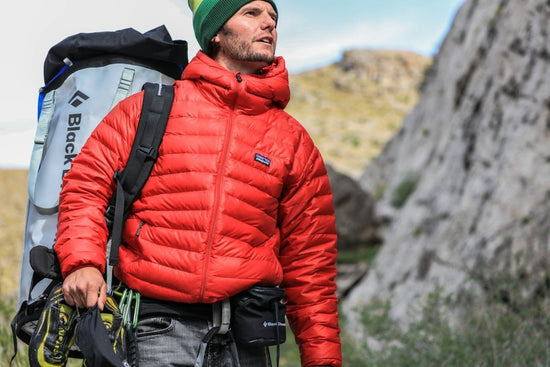
There are several criteria to consider when choosing a hiking backpack. First, it's important to define your needs and your hiking style. If you plan to do mostly day hikes, a small backpack of around 20L to 40L will be sufficient. On the other hand, if you plan to go on multi-day hikes or treks, a larger capacity backpack will be necessary, with at least 40L to 60L depending on your adventure.
Choosing a backpack also depends on the amount of hiking gear you plan to carry. It's advisable to opt for a backpack with multiple compartments and pockets to make it easier to organize your gear. Some backpacks also feature load-relief straps to distribute the weight evenly across your back.
In terms of comfort, it's recommended to choose a backpack with an adjustable suspension system. This will allow you to adjust the backpack to your size and body shape, reducing strain on your shoulders and back. Load-relief straps and a padded lumbar belt are also important features for optimal comfort during your hikes.
How to choose the right travel backpack?
Choosing a travel backpack is slightly different from choosing a hiking backpack. When traveling, you tend to carry less gear than when hiking. Therefore, it's important to choose a backpack with a capacity that suits your needs. If you're traveling light, a small or medium-sized backpack will be sufficient. For longer trips, a large-capacity backpack is preferable.
In addition to capacity, it's also important to consider the comfort and practicality of your travel backpack. Make sure you choose a backpack with a comfortable suspension system, padded and adjustable shoulder straps, and a lumbar belt. These features will help distribute your weight evenly and reduce pressure on your shoulders and back.
Another aspect to consider is the security of your travel backpack. Choose a backpack with sturdy zippers and secure pockets and compartments to protect your valuables. Some backpacks also feature locking systems for even more security.
The Benefits of a Travel Bag for Hikers
A travel bag is essential equipment for hikers who want to explore the world on foot. First, its large capacity allows you to carry everything you need for a hike, such as a change of clothes, supplies, a first aid kit, and camping gear. In addition to its storage capacity, it's also important to mention that travel bags are designed with durable and water-resistant materials, making them perfect for outdoor hiking, even on rainy days.
Additionally, travel bags are ergonomically designed and offer great comfort to hikers. They are equipped with padded and adjustable shoulder straps, which distribute the weight of the bag evenly across the shoulders and back. This reduces fatigue and muscle pain, which is essential during long hikes. Additionally, most travel bags have waist belts and chest straps, which also help stabilize the bag and prevent it from tipping over while walking.
Criteria to consider when choosing a backpack
Besides capacity and comfort, there are other important criteria to consider when choosing a backpack. First, it's essential to determine the type of backpack that best suits your activity. There are different types of backpacks, such as hiking backpacks, trekking backpacks, travel backpacks, and so on. Each of these types of backpacks has its own specific features and functions.
Next, it's important to choose a hiking or trekking backpack that's suited to your type of hiking. If you plan on mainly doing day hikes, a small, lightweight backpack will be ideal. For multi-day treks, opt for a larger backpack that can accommodate a sleeping bag, extra clothes, food, etc.
Finally, don't forget to check the backpack's practical features. Make sure it has enough pockets and compartments to organize your gear. Also, check the strength of the zippers and seams to ensure your backpack will last a long time.
What are the best hiking backpacks?
There are many quality hiking backpacks on the market. To choose the best backpack, it's important to consider certain criteria. First, make sure you choose a backpack that matches your hiking style and level. If you're a beginner hiker, a small or medium-sized backpack with sufficient storage capacity will be adequate. For more experienced hikers or those planning multi-day treks, a large-capacity backpack will be necessary.
Next, check the backpack's features. Make sure it has enough pockets and compartments to organize your gear. Also, check the strength of the zippers and seams to ensure the backpack's durability.
Finally, consider the comfort of the backpack. Choose a backpack with an adjustable suspension system for a personalized fit. Padded, adjustable shoulder straps and a lumbar belt should be comfortable to reduce pressure on your shoulders and back during long hikes.
Criteria to consider when choosing a suitable trekking bag
Choosing the right trekking bag is essential to ensure comfort and practicality during your mountain adventures. Several criteria must be taken into account to make the best possible choice. First, the bag's capacity is an important factor to consider. It's essential to choose a bag that's the right size for the duration of your trek and the volume of your belongings. Generally, a 40- to 60-liter trekking bag is suitable for multi-day hikes. Then, the bag's weight is also crucial. A bag that's too heavy can make your trek difficult and exhausting. Therefore, it's recommended to choose lightweight bags, opting for sturdy but lightweight materials like nylon. The quality and comfort of the shoulder straps and belts are also important factors. Well-padded shoulder straps and an adjustable lumbar belt help distribute the bag's weight evenly and prevent strain and pain in the back and shoulders.
Ultra-light hiking bags, an ally for hikers who love lightness
Ultralight hiking packs have become an essential ally for hikers who love lightweight travel. Thanks to their innovative design and the use of ultralight materials, these bags allow hikers to significantly reduce the load they have to carry on their shoulders. Ultralight hiking packs are designed to be extremely lightweight and compact, without compromising functionality or durability. They feature special features such as compression straps, mesh pockets, and external attachment points for additional equipment. These bags also offer exceptional comfort, with adjustable shoulder straps and waist belts that effectively distribute the weight across the hiker's body. Whether for a day hike or a multi-day adventure, ultralight hiking packs are the ideal option to lighten the load and fully enjoy the experience in the great outdoors.
Tips for choosing the right backpack
Here are some tips for choosing the right backpack:
First, determine the type of backpack that best suits your needs. If you plan on mainly day hikes, opt for a small or medium-sized backpack. If you plan on multi-day treks, choose a large-capacity backpack.
Next, check the backpack's features. Make sure it has enough pockets and compartments to organize your gear. Also, check the strength of the zippers and seams.
Finally, adjust the weight of your hiking backpack by optimizing the contents. Distribute the weight evenly and avoid overloading your bag.
By following these tips, you can choose the best backpack for your hikes and travels with confidence.
The 20L hiking backpack, ideal for short excursions
The 20L hiking backpack is the perfect accessory for those who enjoy short outdoor excursions. With its 20-liter capacity, it offers enough space to carry the essentials you need during your hikes. Whether you're on a day of trekking or a walk in the mountains, this backpack will allow you to easily carry your water, food, camera, and other equipment. Its compact size makes it a practical choice for those who prefer to travel light and don't want to be weighed down by a larger backpack. In addition, it features numerous pockets and compartments to help you stay organized and keep your belongings close at hand. Made from durable and resistant materials, this backpack is designed to withstand the elements and daily wear and tear. Whether you're an experienced hiker or a beginner, the 20L hiking backpack will be your ideal companion for all your short outdoor excursions.
Comparing 30L and 40L hiking backpacks: which one to choose?
Are you planning a hike and wondering which backpack to choose: a 30-liter or a 40-liter model? Both have their advantages and disadvantages, and the choice will depend on your specific needs.
Capacity: A 30-liter backpack is ideal for day hikes or for hikers who prefer to travel light. It offers enough space to store essentials, such as water, food, and a waterproof jacket. On the other hand, if you plan on going on long hikes lasting several days, a 40-liter backpack will be more suitable. It offers more space for clothing, camping gear, and any additional equipment you may need.
Comfort: A 30-liter backpack is often lighter and more compact, making it more comfortable to carry on long hikes. On the other hand, a 40-liter backpack can be equipped with more advanced suspension systems, providing better support and distributing weight more evenly across the back.
Versatility: If you plan to do mostly day hikes, the 30-liter backpack will be more than enough. It's also practical for everyday use, whether for work or leisure. However, if you plan to go on longer hikes or trekking, the 40-liter backpack will be more versatile and offer more features.
In conclusion, choosing between a 30-liter backpack and a 40-liter backpack will depend on the duration of your hikes, the amount of gear you plan to carry, and your comfort level. Take the time to consider all of these factors before making your final choice.
The comfort of the 50l hiking backpack for longer treks
The 50L hiking backpack is ideal for longer treks thanks to its exceptional comfort. First, its 50-liter capacity allows you to store all the gear you need for an extended hike. Whether it's your tent, sleeping bag, clothes, or food, this backpack can easily accommodate them. Furthermore, its ergonomic design ensures a perfect fit on your back, distributing weight evenly to prevent strain and pain. The padded shoulder straps and adjustable waist belt provide additional support, making the backpack comfortable to wear, even during long walks. Finally, the integrated ventilation systems ensure optimal airflow, reducing perspiration and keeping your back dry. In short, with the 50L hiking backpack, you can enjoy longer treks without compromising your comfort.
The 60l and 70l hiking backpack for explorers or bivouacs
Hiking backpacks are essential equipment for explorers and bivouac enthusiasts. With a capacity of 60 liters and 70 liters, these backpacks offer enough space to store all the gear needed for a long hike. Hikers can store their tent, sleeping bag, stove, as well as their clothes and food. With padded and adjustable shoulder straps, these backpacks also offer optimal comfort when carrying weight over long distances.
The 60L and 70L hiking backpacks are typically equipped with multiple compartments and pockets to help organize and easily access gear. Some models also feature a built-in rain cover to protect the contents of the bag from the elements. The rugged, water-resistant construction of these bags ensures maximum durability, even in the harshest conditions.
The advantages of the roll-top hiking backpack: waterproof and practical
The roll-top hiking backpack has many advantages. First, it offers maximum waterproofing. Thanks to its roll-top closure, this type of backpack completely prevents water from penetrating inside. This makes it an ideal choice for hiking in the rain or water sports. In addition, the roll-top system makes it easy to adjust the bag's capacity depending on the volume of the contents. Simply fold down the top of the bag and secure it with the straps to reduce its volume or, conversely, unroll it to increase its capacity. This mechanism is very practical when you have to carry variable loads. Finally, roll-top hiking backpacks are generally equipped with numerous pockets and compartments, which facilitates organization and access to belongings. You can store your hiking gear neatly and have everything at hand quickly.
Tips for maintaining your hiking bag throughout the year
To properly maintain your hiking bag throughout the year, it's important to take a few precautions. First, it's essential to clean it regularly. To do this, simply empty it, turn it inside out, and shake it to remove all dirt. Then, use a soft brush to remove stains and dust. If your bag is stained, use a little mild soap diluted in warm water to remove them. Then, rinse thoroughly with clean water and let it air dry. Remember to dry all parts of your bag thoroughly, including zippers and pockets.
Next, it is recommended to store your hiking bag in a dry place away from moisture. If you do not plan to use your bag for a long time, it is best to store it in a protective cover to avoid dust and damage.
Finally, to extend the life of your hiking bag, avoid overloading it. Always adhere to the manufacturer's recommended maximum load capacity to avoid damaging the seams and straps. Also, avoid dragging your bag over rough surfaces to prevent snags and tears.
FAQ: Criteria for choosing your hiking/travel backpack
When choosing a hiking or travel backpack, there are several criteria to consider. First, make sure you choose a bag with good storage capacity and practical compartments to organize your belongings. Next, check that the bag is comfortable to carry, with padded and adjustable shoulder straps and a lumbar belt to relieve weight. Finally, consider the bag's strength and durability, opting for quality materials and stitching.
How to choose the right capacity for your hiking/travel backpack?
The capacity of your hiking bag depends on the duration of your hikes and the amount of gear you plan to carry. For a day hike, a 20- to 30-liter bag will be sufficient. For a multi-day hike, it's recommended to opt for a 40- to 60-liter bag. If your backpack is too large, you risk overloading it and carrying unnecessary weight. Choose the capacity based on your actual needs.
How to choose the ideal backpack for day hiking?
For a day hike, the ideal backpack should have a capacity of 20 to 30 liters, with enough space to store your essentials (change of clothes, food, water, first aid kit, etc.). It should also be comfortable to wear, with padded and adjustable shoulder straps and a kidney belt to distribute the weight across your hips.
How to choose your trekking backpack for multi-day hikes?
For multi-day hikes, it's recommended to choose a 40- to 60-liter backpack, depending on the length and conditions of your trek. Make sure the bag has enough compartments to organize your belongings and is comfortable to carry, with well-padded shoulder straps and a sturdy hip belt. Also consider the bag's durability and waterproofing, especially if you plan to hike in the rain.
How to best choose a new hiking backpack?
To best choose a new hiking backpack, it's essential to consider your specific needs. Consider the duration of your hikes, the storage capacity you need, carrying comfort, and the bag's durability. Also consider your body shape and test different models to find the one that best fits your back. Don't hesitate to ask for advice in a specialist store to make the best choice.
How to pack what you need for a multi-day hike?
For a multi-day hike, it's important to maximize the space in your backpack. Place heavy items close to your back for better balance and weight distribution. Store lighter items at the bottom of the pack, and use pockets and compartments to organize your belongings. Choose lightweight, compact clothing and avoid carrying unnecessary items. Make a list and carefully prepare your bag before setting out.
What are the techniques of hiking backpacks?
Hiking backpacks are designed with several techniques to maximize comfort and functionality. They often feature specific carrying systems that allow for optimal weight distribution between the wearer's back and the bag. Some models have adjustable back panels to fit your back size. Additionally, hiking backpacks are equipped with compression straps, pockets, and compartments to organize and easily access your belongings. Some bags also feature zippers at the bottom of the bag for more convenient access to certain parts of your gear.
What is the recommended backpack size for hiking?
Choosing the right size backpack depends on several factors, such as the length of your hike, the weight of your gear, and your own preferences. As a general rule, a 20- to 30-liter backpack is often sufficient for a day hike. For multi-day hikes, you can opt for a 40- to 60-liter backpack, depending on the amount of gear you need to carry. Keep in mind that the backpack should not be too large, as this could lead to imbalance or excessive overloading. Also, make sure the backpack you choose matches your back length for greater comfort.
What are the important criteria for choosing your hiking bag?
When choosing a hiking bag, you should consider the following criteria: - The bag's capacity, depending on the duration and intensity of your hike. - The bag's technical features, such as the carrying system, back ventilation, etc. - The strength and durability of the bag to ensure it can withstand harsh hiking conditions. - Comfort, with adjustable straps, a padded back, etc. - The organization and accessibility of the bag, with quality pockets, compartments, and zippers. - The weight of the bag, as an ultra-light bag can be very useful on long hikes. - Your own preferences in terms of style and additional features. By taking all these criteria into account, you will be able to choose a hiking bag that suits your needs.
What mistakes should you avoid when choosing a hiking backpack?
When choosing a hiking backpack, it's important to avoid some common mistakes. First, avoid choosing a bag that's too large for your needs, as this can make the bag heavier and less convenient to carry. Also, avoid choosing a low-quality bag, as it may not withstand the harsh conditions of hiking. Be sure to check the dimensions of the bag's back and shoulder straps to ensure a proper fit. Finally, avoid neglecting the bag's volume and organization, as this can affect your comfort and ease of access to your belongings while hiking.
How to properly adjust your hiking backpack?
To properly adjust your hiking backpack, follow these steps: 1. Start by adjusting the hipbelt and chest straps to balance the weight of the pack on your hips and prevent it from pulling too much on your shoulders. 2. Adjust the shoulder straps so they fit comfortably on your shoulders. They should not be too tight or too loose. 3. Adjust the compression straps to compress the pack and reduce rocking movements while walking. 4. Once all the straps are adjusted, make sure the pack is properly centered on your back and does not tilt to the left or right. 5. Take a few steps to see if the pack stays in place and adjust if necessary. 6. Remember to also adjust the load straps to optimally distribute the weight between the wearer's back and the pack. By following these steps, you will be able to adjust your hiking backpack for maximum comfort during your hike.
What are the advantages of an ultralight hiking backpack?
Ultralight hiking backpacks have several advantages over heavier bags. First, an ultralight bag reduces the amount of weight you have to carry, making it easier to hike for longer periods without tiring yourself out. Additionally, these bags are often made from durable yet lightweight materials, making them more weather- and tear-resistant. They are also more compact, making them easier to store and transport when not in use. Finally, ultralight hiking backpacks are often more minimalist in terms of features and compartments, which may be appreciated by hikers who prefer to travel light and simplify their gear.
How do I know if a hiking backpack is right for me?
To determine if a hiking backpack is right for your body type, it's important to consider certain criteria. First, your back length is essential. Make sure you choose a backpack with a length adjustment system so the back panel can adapt to your back. The upper part of the backpack should fit comfortably at the base of your neck and not be too far from your back. Additionally, the shoulder straps should follow the curve of your shoulders and not be too wide or too narrow. Finally, make sure the backpack doesn't exceed the total length of your back when you're wearing it. By considering these criteria, you can choose a hiking backpack that perfectly suits your body type.
How to maintain your hiking backpack?
To maintain your hiking backpack, follow these tips:
- Empty the bag completely after each use and shake it to remove debris and dirt.
- Clean the bag using a soft brush or sponge dampened with soapy water to remove any stains or dirt.
- Never use bleach or harsh chemicals that could damage the bag materials.
- Allow the bag to air dry completely, away from direct sunlight.
- Regularly check the seams, straps and zippers of the bag to ensure they are in good condition.
By following these tips, you can ensure the longevity and cleanliness of your hiking backpack.
To find out more about our down or synthetic down jackets, discover our dedicated collection!

Author Manuel Pinard - Founder of Planète Rando
Above all, I am a nature lover, passionate about hiking and wildlife photography since 2010. I offer advice and solutions to help you improve your practice or simply take you to the next level. Live your adventure while respecting nature!
Related readings
 How to choose the right hiking and trekking tent?


